


THE the heart of every great political movement lays a simple but transformative truth: power is with the people. When divided, people are easily manipulated. When they are united, they become an extraordinary social force. The true power of politics, in its noblest sense, is unity.
History
History repeatedly demonstrates that collective will shapes nations. The freedom struggle led by Mahatma Gandhi was not powered by armies but by mass participation rooted in shared purpose. Gandhi’s concept of satyagraha was effective because millions aligned themselves with a common moral vision. Unity transformed ordinary citizens into a movement that reshaped an empire. Politics was not only about governance, but it was also about awakening people to their strength.
The civil rights movement inspired by Martin Luther King Jr illustrates that unity grounded in ethical conviction can dismantle systemic injustice. The movement’s power lay in disciplined solidarity. When individuals saw themselves as part of a larger whole, fear diminished and courage multiplied.
Human Beings are Wired to Belong
A sense of connection strengthens resilience, reduces anxiety, and increases cooperation. Sociologically, unity channels energy toward shared goals. Politically, unity generates legitimacy. Governments and movements gain strength when people feel included. Unity does not mean uniformity, it’s the art of standing together without demanding sameness. It respects diversity while holding firm to shared values. It is about harmonizing differences rather than silencing them.

Power of the Gathering
The Brahma Kumaris speak of the “power of the gathering,” emphasizing that unity begins with the quality of individual consciousness. According to their teachings, thoughts carry subtle influence. When individuals practice daily meditation, generating thoughts of peace and goodwill, they strengthen the collective atmosphere. A gathering becomes powerful because each participant cultivates inner stability.
Clear Motives
Before engaging in political or social activism we must examine our own goals and clarify our motives. Inner clarity reduces inner conflicts. When individuals improve their mental and emotional stability through prayer or meditation, they can then tolerate the short comings of others without taking personal offense. One must be willing to step beyond ego-driven competition. It asks persons to admit mistakes, apologize when necessary, and prioritize collective welfare over personal pride. This humility transforms relationships.
Listening
When people feel heard unity grows. Appreciative listening without judgment or interruption transforms conversations. It shifts dialogue from confrontation to connection. Even when disagreement remains, respect preserves cohesion.

Language
Language is powerful. It can bridge or deepen divides. Choosing words that build rather than break relationships is a civic responsibility. Avoiding sarcasm, labeling, and dehumanizing speech promotes unity. Re-wording statements to focus on shared concerns fosters collaboration.
Service
Service to others is a unifying force. Individuals who engage in community service, volunteering, mentoring or environmental initiatives discover our common humanity beyond ideology. Working side by side toward a constructive goal dissolves artificial barriers. Shared service generates trust more effectively than debate.
Empathy
Taking time to understand another person’s background, fears, and hopes softens rigid positions. Empathy does not require agreement, it requires openness. When citizens approach social differences with curiosity instead of suspicion, unity becomes possible. Recognize the positive contributions of others, especially those with whom we disagree. Appreciation disarms defensiveness.

Consistency
Importantly, unity is sustained through consistency. Occasional gestures are insufficient. Daily practices like morning reflection, mindful communication and acts of kindness create a stable foundation. Just as a nation’s strength depends on engaged citizens, a group’s strength depends on prepared individuals. Each one of us must intentionally cultivate control of mind through a regular regime of learning, meditation and concentration.
Inner Harmony
Ultimately, the power of the people is not a slogan, it is a lived reality shaped by daily choices. Unity is built on quiet moments of self-discipline as much as in public demonstrations. The “power of the gathering,” reminds us that collective strength begins within each participant. When individuals cultivate inner harmony, they naturally radiate outward stability. Politics then becomes less about domination and more about collaboration. Leaders who embody calmness and fairness inspire trust.
In an age marked by division, unity is not merely desirable, it is essential. It is sustained when individuals commit to reflection, active listening, service, empathy, and spiritual awareness. When hearts align with goodwill and minds focus on the common good, people discover that their shared strength surpasses any force that seeks to divide them.
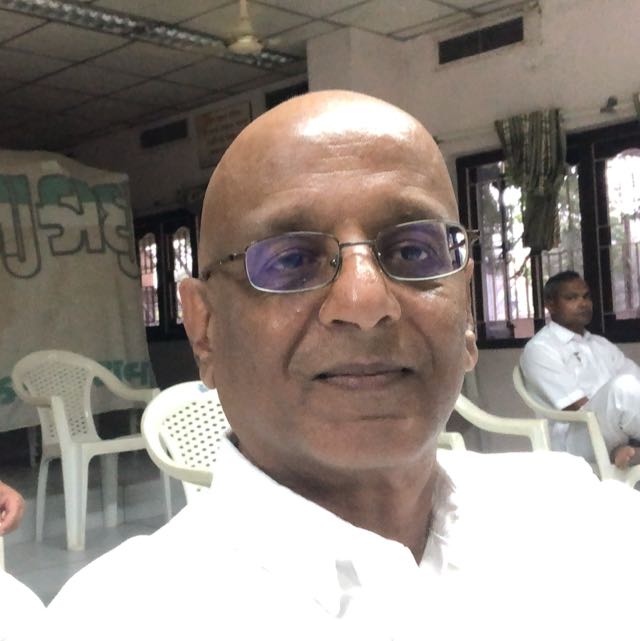
Vijai Sadal is a student of the Brahma Kumaris Raja Yoga Meditation Centre. He can be reached at vijai@pepesmkt.com