
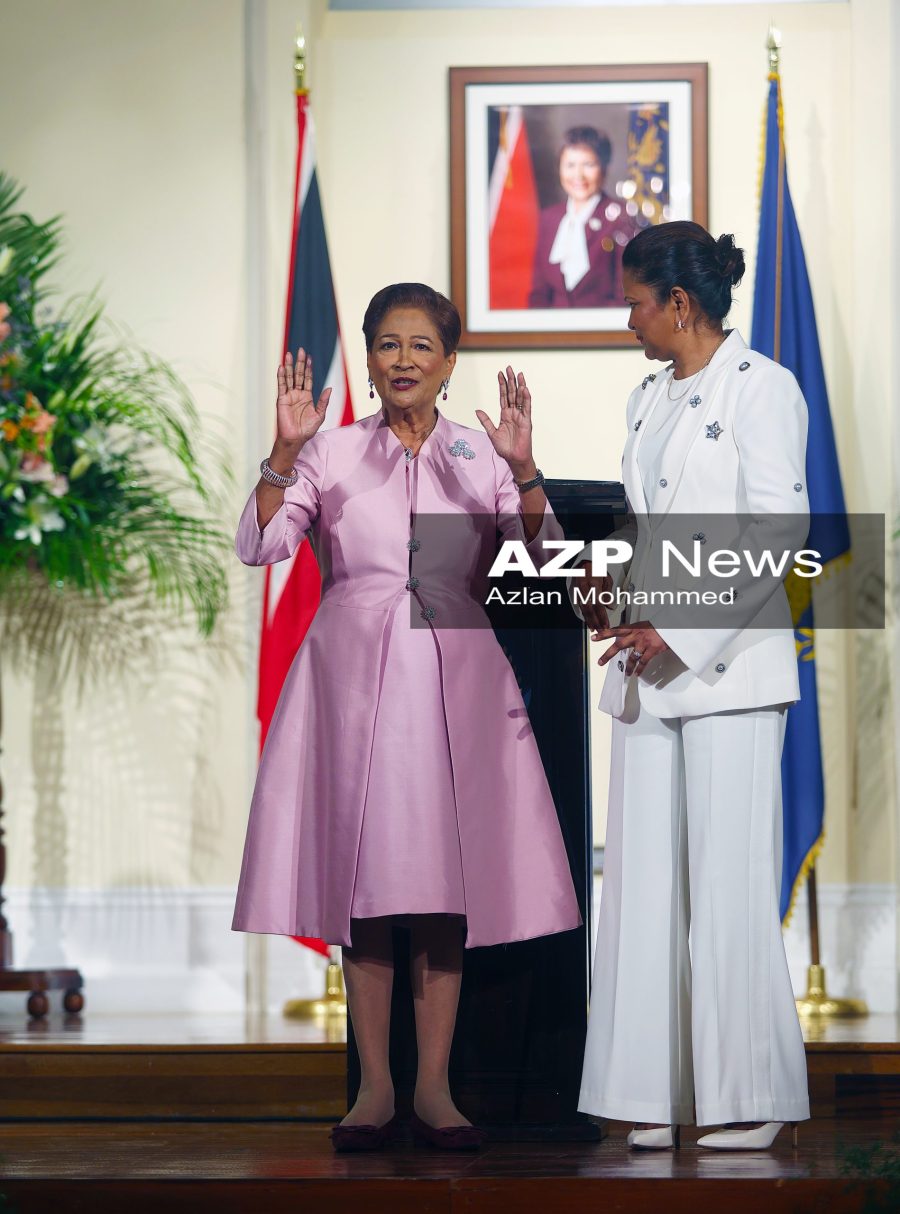
Caption: Prime Minister Kamla Persad-Bissessar, left, after being sworn in as the 9th Prime Minister of Trinidad and Tobago by President Christine Kangaloo
By Alicia Chamely
THE year 2026 can best be reflected as one of change and challenge, defined by shifting powers, political and economic policies and societal currents.
As Trinidad and Tobago looks back at 2025, AZP News has compiled the headlines and events that marked this transformative year.
Keith Rowley resigns as prime minister, appoints Stuart Young as replacement.
After 45 years in the political arena, prime minister Keith Rowley announced his resignation from the post on January 3, 2025.
He would later confirm, then minister of energy and energy affairs, Stuart Young, had been selected as his successor.
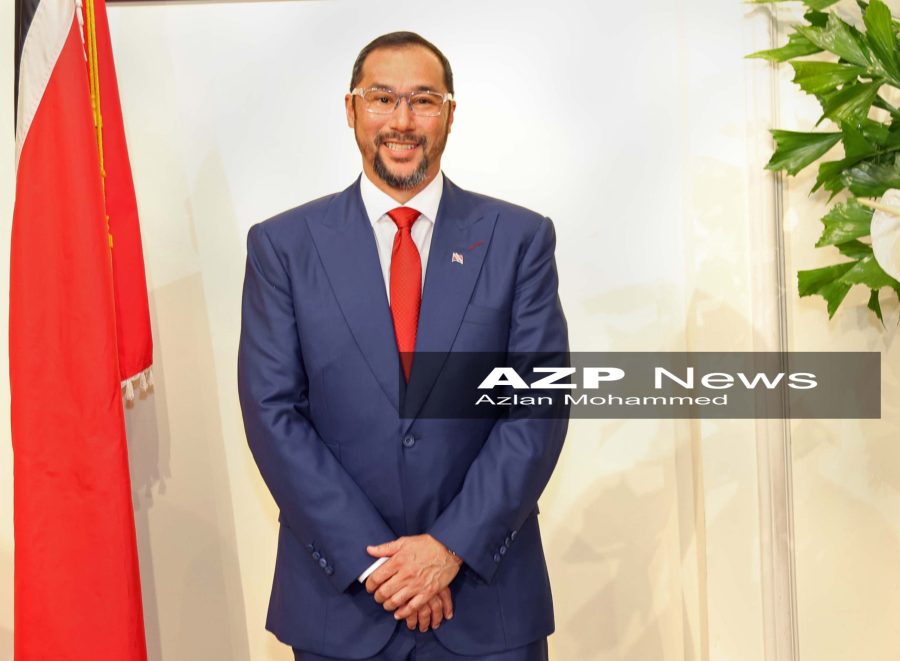
Rowley, who served as prime minister under the People’s National Movement (PNM) led government for nine years, officially resigned on March 16.
Young was sworn in as Prime Minister on March 17, signalling his intentions to bring fresh blood into the government and the PNM.

General Elections
On March 18, just one day after being appointed Prime Minister, Stuart Young rang the election bell.
Parliament was dissolved at midnight on March 18, in accordance with Section 68 of the Constitution.
Young advised President Christine Kangaloo and the Writs of Election for the 2025 General Elections were to be issued on the 18th day of March 2025 and were to fix Friday 4th, April 2025 as Nomination Day and Monday 28th April, 2025 as Polling Day.
A Coalition of Interests
Gearing up for the elections, Leader of the United National Congress Kamla Persad-Bissessar announced the UNC had assembled a “coalition of interests” with three political and social organisations to contest the general election.
Persad-Bissessar made the announcement on February 11, stating the “coalition of interests” had been forged with the Laventille Outreach for Vertical Enrichment (LOVE) movement, the Progressive Empowerment Party (PEP), the Oilfields Workers’ Trade Union (OWTU) and other unions, whom would all contest seats under the UNC banner.
UNC in landslide victory
On April 28, 54% of T&T’s registered voters cast their votes in what could have been described as a historically contentious election.
In a landslide victory, the UNC earned 334,874 votes and secured 26 of the 41 parliamentary seats.
The PNM followed with 220,160 votes, retaining 13 seats, placing them in Opposition after nine years at the helm.
Notably, two once “safe seats” for the PNM, Tobago East and Tobago West, were taken by the Tobago People’s Party (TPP), who secured 13,857 votes.
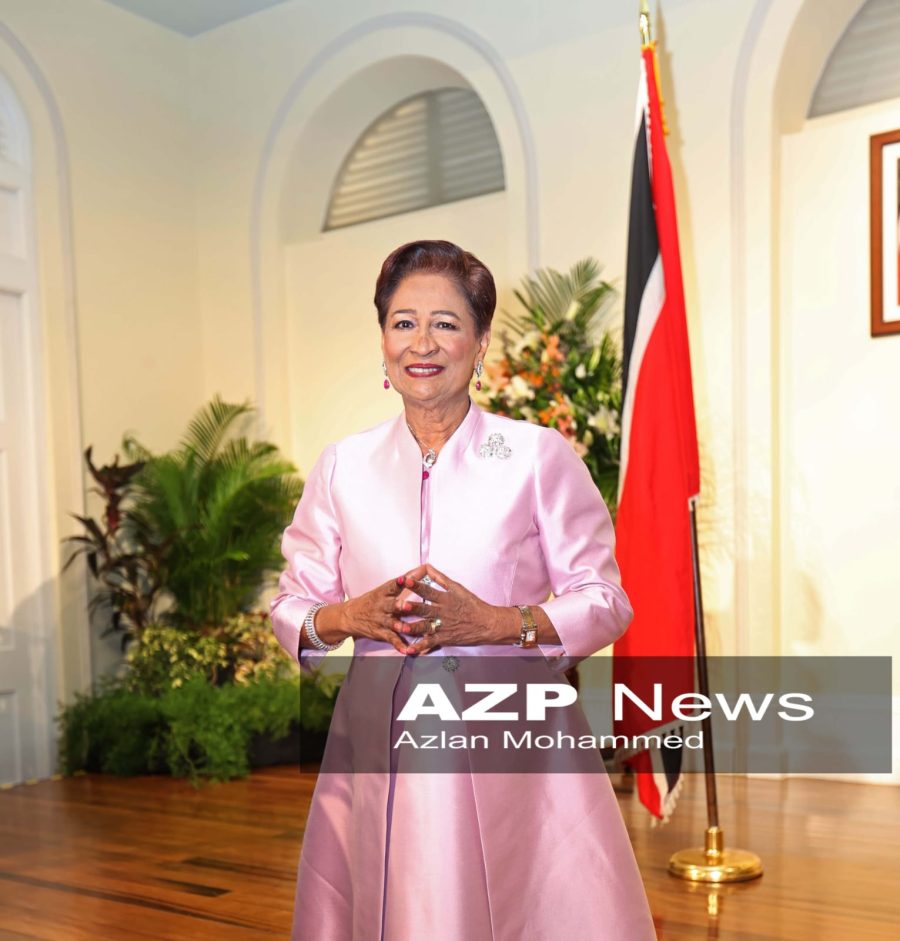
Kamla Persad-Bissessar sworn in as prime minister for a 2nd time
Persad-Bissessar was sworn in as Prime Minister for the second time on May 1, by President Christine Kangaloo.
“My role as your newly elected Prime Minister is simple: it is to love you and to do everything possible to make you and your loved ones happy,” she declared after being sworn in.
In the same ceremony, John Jeremie was sworn in as the Attorney General.
On May 2, Persad-Bissessar’s cabinet was sworn in.
The UNC cabinet, which was historically T&T’s largest cabinet, consisted of a blend of former members, seasoned politicians and fresh faces.
CEPEP and other work programmes shut down
On June 27, all contractors engaged by CEPEP were handed letters of immediate termination.
The decision was taken by the government to cancel all contracts as they investigate allegations of corruption within the programme.
Minister of Public Utilities Padarath, speaking at a press conference, said the former administration had engaged in what he described as the “political prostitution of CEPEP and that political prostitution was obscene.”
Over 350 contractor contracts were terminated, leaving more than 10,000 people unemployed.
Soon after contractors and employees of the Unemployment Relief Programme (URP) were also let go, with the Minister of Local Government and Rural Development stating audits into the Programme found “ghost gangs” and other irregularities.
The government promised new employment programmes would be bought on stream, with stronger safeguards against corruption.
State of Emergency Called
In a televised announcement on July 17, Attorney General John Jeremie announced that President Christine Kangaloo had been directed to sign an executive order for a State of Emergency (SoE) to begin at midnight on July 18.
Jeremine stated information had been presented to the National Security Council the night before indicating a serious criminal threat against certain law enforcement officers, members of judiciary and politicians.

He stated, “Yesterday afternoon the government learned a plot was in the advanced stages of execution from within the Trinidad and Tobago correctional facilities. The objective of the plot was clear, it was directed towards violent attacks, targeting citizens, persons involved in the justice system at all levels and others involved in serving this country in the protective services including police officers. State facilities were also targeted.”
In a statement following Jeremie’s announcement, Prime Minister Persad-Bissessar said, “I will not tolerate a resurgence of kidnappings for ransom and other heinous crimes initiated by gangs. I will not allow these elements of society to continue to terrorise and traumatise law-abiding citizens and to wreak havoc in our land.”
Parliament voted to extend the SoE on July 28 and again on October 31.
State enterprises under scrutiny
One of the first actions of the new UNC government was to assess state enterprises and their performance. The government stated they had found irregularities and inadequate performance indicators in numerous entities and their boards. This included CEPEP, which the government accused of serving as a “feed trough” for the friends and family of PNM financiers.
After the UNC government took office, there was a mass exodus of board members of state enterprises and the termination of CEO’s placed to run these enterprises.
Most controversial was the dismissal of the St. Kitts born, Water and Sewage Authority (WASA) CEO Keithroy Halliday, who was considered an asset to the state agency and was responsible for the positive turn around of the once troubled Barbados Water Authority.
Halliday was replaced by Jeevan Joseph, who would later resign in November, citing “personal reasons.”
WASA was now under the leadership of Dain Maharaj.
Forex concerns
During the 2025 General Election Campaign one of the promises made by the UNC was to ensure equitable distribution of forex, stating they would release the names of individuals and businesses who received an unfair share of foreign exchange, whom they dubbed the “forex, Cartel.”
However, UNC appointed Central Bank Governor Larry Howai would later state at a meeting with the press, “From our perspective we have no evidence of a cartel.”
Howai did not say whether there was a “forex, crisis,” but confirmed there was a disparity between the demand and supply of forex,.
The Governor, however, was optimistic that plans being set forth by the new government would help remedy the current forex, situation.
The government pledged to increase forex, revenue streams into the national economy from industries both within and outside of the energy sector.
Measures thus far have included seeking outside investment from the United Arab Emirates to assist in the development of FOREX earning facilities and programmes, as well as an increased push for oil and gas exploration through expediting bureaucratic red tape in the energy sector.
The Budget
On October 13, Minister of Finance Davendranath Tancoo presented the much-anticipated UNC government’s inaugural national budget for the fiscal year 2025/2026.
Themed T&T First: Building Economic Fairness through Accountable Fiscal Policies, Tancoo explained the budget hinged on the fluctuations of the energy sector.
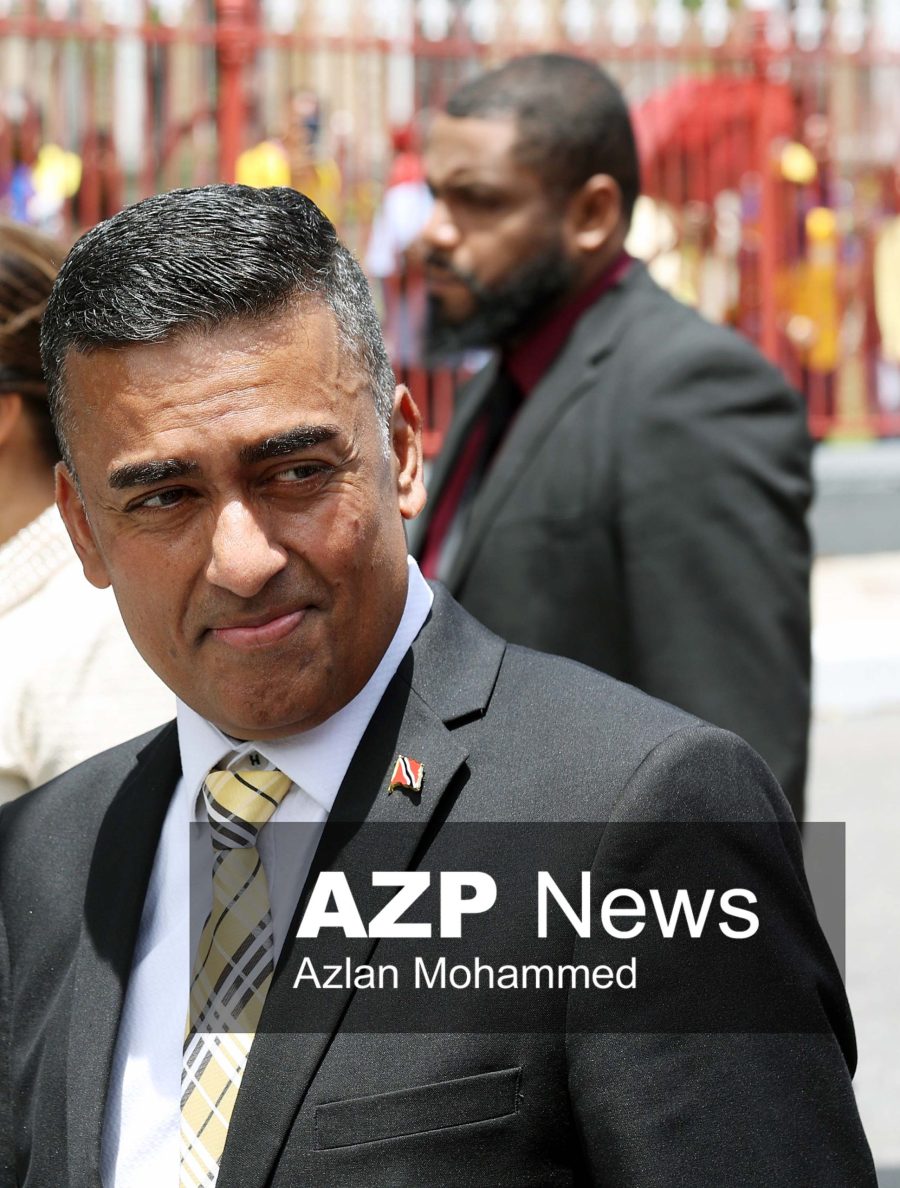
As such, the government expects a total revenue of $ 55.367 billion against a total expenditure of $ 59.232 billion.
This left a deficit of $ 3.865 billion fiscal deficit.
The highest ministerial allocation went to Education and Training, getting $8.766 billion. While the lowest allocation went to Housing, which received $662 million.
The Budget further laid out the Landlord Tax, Increased motor and traffic fines, an increased electricity surcharge for commercial businesses, increased rates for imports, levies on insurance company and bank assets and taxation on one time use plastics.
Additionally, National Insurance Service (NIS) contributions were set to increase in January and to receive a full pension, one must work until 65 versus 60.
It was during his Budget presentation that Tancoo announced his commitment to fulfilling the UNC’s election promise of giving the Public Services Association (PSA) a 10% wage increase.
After the Budget, Tancoo received both praise and criticism with some members in the business community and Opposition expressing concerns as to where the money for the PSA salary increases would come from, while members of the Trade Union movement praised the government for keeping their word.
Cost of living
Despite being assured by the government that increased and new taxes and fees introduced in the Budget would not affect the cost of living, members of the public voiced and continue to voice their concerns over the cost of living.
A major concern was the introduction of new traffic fines, increased surcharges and the Landlord Tax.
Additionally with massive layoffs in the public sector and in work programmes, many expressed their fear that the increased cost of living coupled with increased unemployment would lead to rise in crime, especially home invasions.
Refinery activation
A core component of the UNC election manifesto was the reopening of the shuttered Petrotrin Refinery in Guaracara, which had been shut down in 2018 by the former PNM government.
In July, a 12-person Refinery Reactivation Committee was assembled with a mandate to assess the Refinery’s current state and develop a strategic plan to support its reopening. The Committee was originally given an October deadline to submit its report.
Former Minister of Energy under the UNC’s People’s Partnership government, Kevin Ramnarine was selected to head the Committee, which was composed of members of the OTWU, former Petrotrin officials and other energy industry experts.
On December 4th the Persad-Bissessar and Minister of Energy and Energy Industries Roodal Moonilal met with the Committee at the Diplomatic Centre, St Ann’s. However, no information was given as to whether the Committee’s final report was submitted or what progress had been made in reactivating the Refinery.
Nutrien ammonia plant shutsdown
On October 21, Canadian fertilizer giant Nutrien announced a controlled shutdown of its Point Lisas plant. Nutrien stated the reasons for the shutdown was due port access restrictions imposed by Trinidad and Tobago’s National Energy Corporation (NEC), due a $28 million unilateral and retroactive port access fees, and a lack of reliable and economic natural gas supply.
The plant ceased its operations two days later, putting approximately 600 employees on the bread line.
In efforts to save both a source foreign exchange and jobs, the NEC’s parent company the National Gas Company (NGC) engaged in talks with Nutrien to find a compromise, however those talks eventually collapsed and the plant closed.
T&T’s support for the US
In September the United States Armed Forces deployed the largest build up of military assets into the South Caribbean, later launching Operation Southern Sphere.
Operation Southern Sphere was aimed at dismantling the narcotics trade in Venezuela.
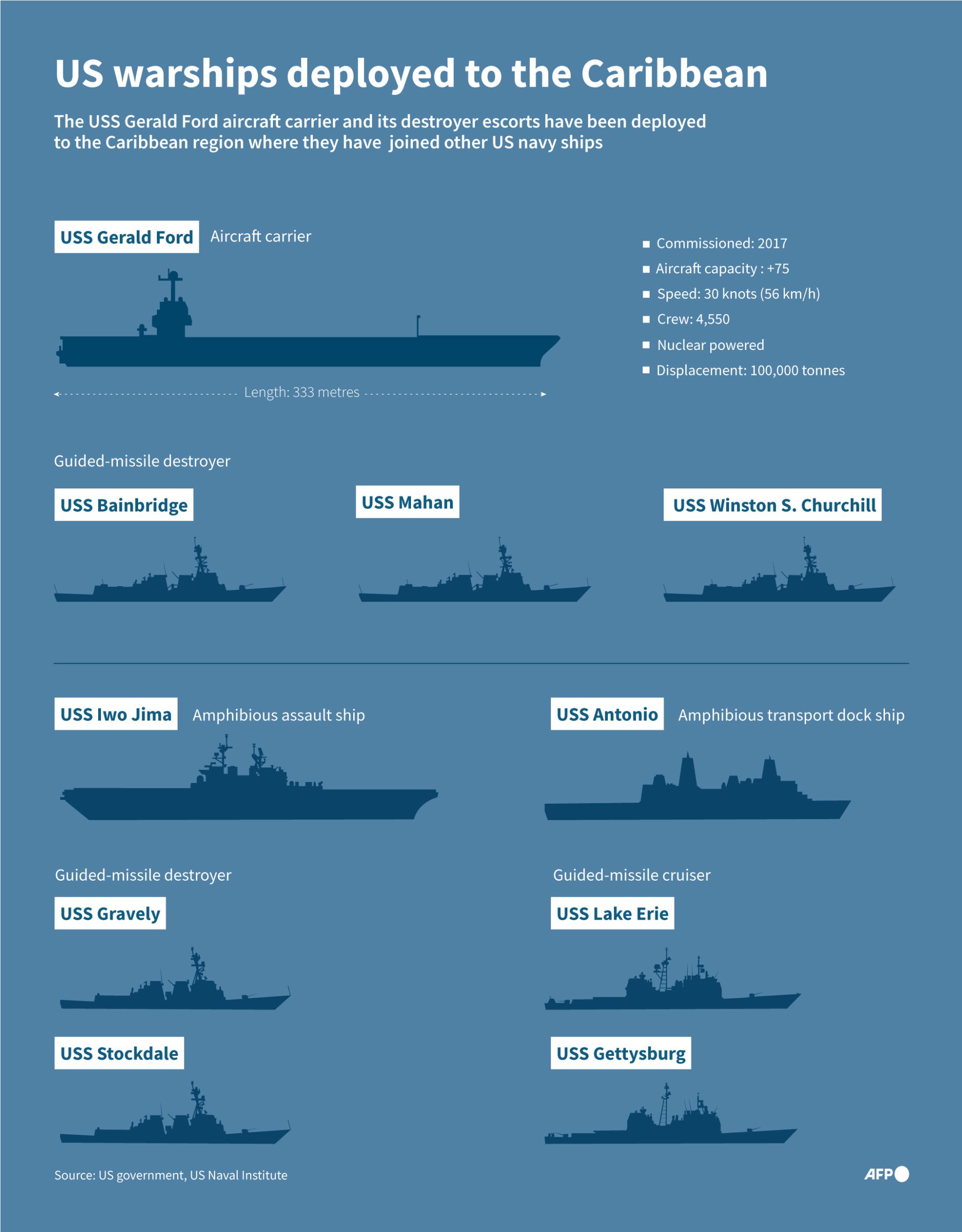
Unlike most CARICOM governments, Prime Minister Kamla Persad-Bissessar commended and supported the US actions against Venezuelan trafficking cartels, which the US had alleged are being controlled by Venezuelan President Nicolas Maduro and high-ranking members of his government.
Dismissing calls for the Caribbean to be a “Zone of Peace” Persad-Bissessar said unlike other CARICOM nations, T&T was most affected by cartel actions, which she linked to the proliferation of gangs and illegal weapons in T&T.
Persad-Bissessar made it clear she stood with the people of Venezuela who also were negatively affected by cartel driven crime.
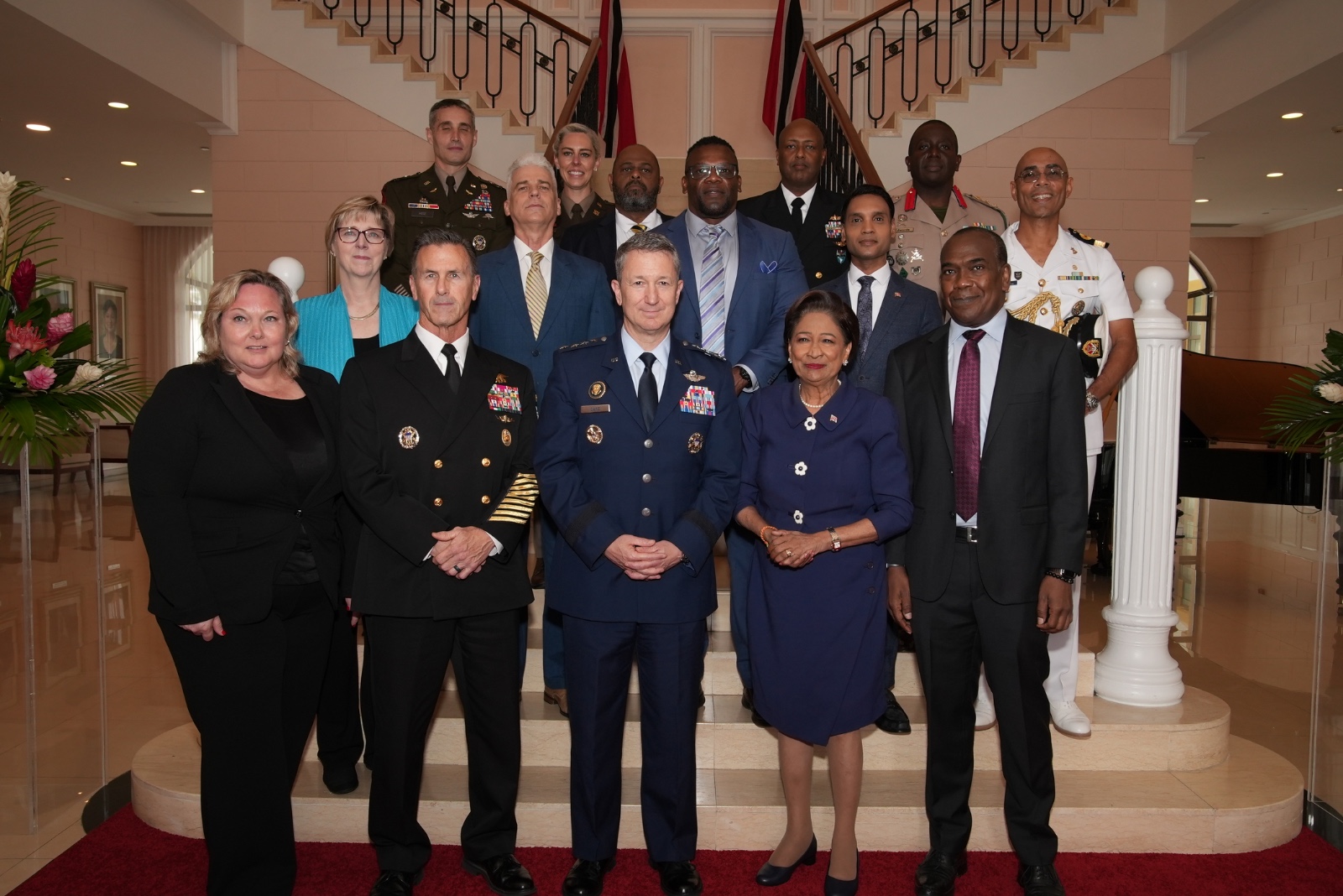
In November, with the US carrying out deadly strikes on suspected drug trafficking boats from Venezuela, Persad-Bissessar met the US Armed Forces highest ranking member and Military Advisor to President Donald Trump, Chairman of the Joint Chiefs of Staff General Dan Caine at the Diplomatic Centre, St Ann’s
Persad-Bissessar insisted Venezuela was not discussed during their meeting, but rather it was a gathering of joint gratitude for military and security collaboration, with the US Army having joint training exercises with the Trinidad and Tobago Defence Force (TTDF).
She reiterated that at no point had the US or had she agreed for them to use T&T assets or territory and the only time these would be offered to the US would be if Venezuela attacked Guyana.
This came into dispute with the installation of a US Military radar at Crown Point Tobago. Persad-Bissessar said she had requested the radar to enhance drug boat detection around T&T. However, it was later reported by the New York Times that the radar was not designed for maritime detection, but rather aircraft and missile detection.
Relations with Venezuela
Persad-Bissessar and her government’s support of the US created a hostile rift between themselves and the Venezuelan government.
As a result of her support, Persad-Bissessar was deemed a “Persona Non-grata” by the Venezuelan government and all oil and gas contracts and dealings between the two the countries were terminated.
Persad-Bissessar stood firm despite Venezuela’s threats against her, insisting T&T did not need Venezuelan gas and Maduro’s government should direct their threats and accusations towards US President Donald Trump.
She continued to assist, that despite her conflicts with the Venezuelan government, she stood with all law-abiding Venezuelan citizens, especially those in T&T.
With the ongoing tensions between the two countries, numerous Venezuelan immigrants had expressed their concerns of being unfairly targeted and experiencing anti-Venezuelan harassment.
Despite the government’s hard policy on illegal immigration, they took steps towards the protection and regularization of Venezuelan immigrants.
On December 28 the Ministry of Homeland Security announced the expansion of its Migrant Registration Framework (MRF).
The expanded MRF extended eligibility beyond Venezuelan nationals to include all illegal immigrants currently residing in the country.
Under Legal Notice No. 470, titled The Immigration (Exemption from Work Permit) (Immigrants) Order, 2025, registered undocumented migrants will be allowed to live and work legally in Trinidad and Tobago from January 1, 2026, to September 30, 2026.
Legal Notice No. 469 amended the Immigration Regulations to formally include children of immigrants who hold permits issued under Section 10 of the Immigration Act, ensuring their status is recognised alongside their parents.
PSA gets 10% wage increase
Following through on their election campaign promises, on December 2nd the Public Services Association (PSA) President Felisha Thomas and the Chief Personnel Officer (CPO) Dr Darryl Dindial, officially signed Memorandum of Understanding (MoU) for a 10% wage increase for public officers in the Civil Service, Statutory Authorities and the Tobago House of Assembly (THA). This signing finally ended the contentious wage disputes between the previous government and the PSA for the negotiation periods 2014 to 2016 and 2017 to 2019.
Along with the 10% wage increase, the MoU included: A 10 percent salary increase, Consolidation of Cost-of-Living Allowance (COLA) for both outstanding periods, new salary payments beginning January 2026, allowances retroactive to January 1, 2014, an advance on arrears to be paid on or before December 23, 2025.
The 10% increase caused concerns among economists, noting back pay for the two negotiation periods would cost the government $3.8 billion, which was not earmarked in the Budget.
Additionally, analysts warned the $420 million in recurrent expenditure to cover these increased salaries would further deepen the country’s budgetary deficit, unless more income earning measures proved fruitful.
Although public servants were promised partial backpay before Christmas, details and official confirmation as to whether all public servants received their money was limited, with PSA President Felisha Thomas shying away from the press.